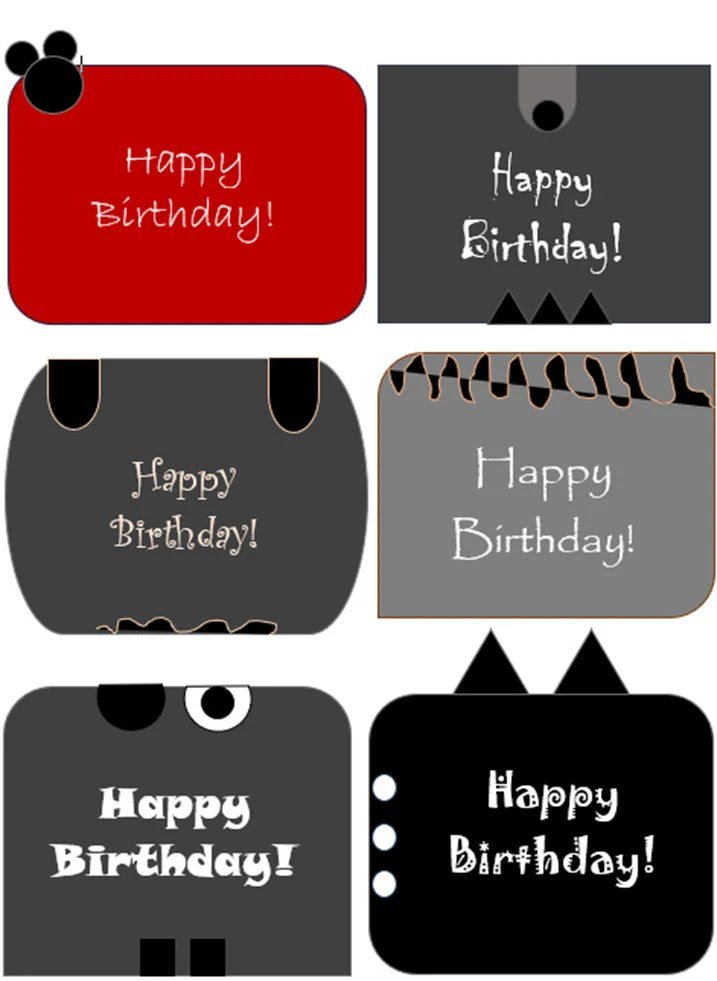
Choosing the perfect birthday card for someone special can feel like a mini-quest. In an age where digital communication often overshadows traditional methods, the question isn't just what to say, but how to deliver that heartfelt message. When it comes to Printable vs. Digital Birthday Cards: Options & Delivery, you're navigating a landscape of convenience, personal touch, and practical considerations that can significantly impact how your message is received.
Are you aiming for instant gratification and seamless tracking? Or do you prefer the tactile joy of a beautifully crafted card that feels like a tangible hug? Let's unpack the pros and cons to help you make the best choice for your next celebration.
At a Glance: Key Differences
- Cost: Digital cards are significantly more budget-friendly (often free to $2), while physical cards range from $1 to $15+ per invite, plus postage.
- Speed: Digital delivers instantly, perfect for last-minute plans. Physical cards require design, printing, addressing, and mailing time (up to 2-3 weeks total).
- Personal Touch: Physical cards offer a multi-sensory experience and higher perceived value, often becoming keepsakes. Digital cards excel in interactive multimedia and real-time updates.
- Response Rates: Physical cards tend to yield higher response rates (78-85%) and stronger commitment compared to digital (65-75%).
- Management: Digital platforms automate RSVP tracking and updates. Physical requires manual tracking and follow-ups.
- Environmental Impact: Digital boasts a minimal carbon footprint. Physical cards involve paper, ink, printing, and transportation emissions.
- Accessibility: Physical cards are universally accessible. Digital requires internet access, device compatibility, and basic tech literacy.
The Heart of the Matter: Choosing Your Delivery Vehicle
The choice between a printable (physical) or digital birthday card often boils down to budget, time, guest preferences, and the formality of the event. It's about weighing convenience against impact, and modern efficiency against timeless tradition.
Embracing the Digital Realm: Convenience at Your Fingertips
Digital birthday cards offer an undeniable appeal in our fast-paced world. They're quick, cost-effective, and incredibly versatile, making them a popular choice for many modern celebrations.
What Are Digital Birthday Cards?
Think beyond a simple email. Digital birthday cards have evolved into sophisticated, interactive experiences. They can take many forms:
- Email Invitations: Services like Evite, Paperless Post, or even a custom design sent via regular email. These often include RSVP functionality.
- Social Media Events: Creating a Facebook event or an Instagram announcement for a casual gathering.
- Messaging App Invitations: A quick group chat on WhatsApp or a dedicated event on platforms like Partiful for smaller, more informal get-togethers.
- QR Code Invitations: A modern hybrid where a physical element (like a small printed card) features a QR code linking to a full digital invitation and RSVP page.
The Upsides: Speed, Savings, and Smart Management
The advantages of going digital are compelling:
- Instant Delivery: Need to plan a surprise party for next weekend? Digital is your best friend. Invitations can be sent and received in moments, ideal for spontaneous events or when you need to disseminate information quickly. If a venue changes or a time shifts, updates are instant and effortless for Tunjangan DPR Naik? Simak Ini.
- Cost-Effective: This is where digital truly shines. Many platforms offer free templates, or you can opt for premium designs at a fraction of the cost of physical printing. Expect to pay anywhere from free to about $2 per invitation, often totaling $0-50 for an event with 20-50 guests.
- Automated Management: Forget chasing RSVPs! Digital platforms automatically track responses in real-time. You can see who's coming, who's declined, and even send reminders with ease. This saves hours of manual follow-up.
- Eco-Friendly: With zero paper consumption and a minimal carbon footprint (estimated at 0.005-0.01 CO2 per invitation), digital cards are the greener choice for environmentally conscious hosts.
- Interactive Magic: Digital cards aren't just static images. They can include embedded maps, calendar integrations, photo and video sharing, custom music, and even animated elements, creating a dynamic and engaging experience for your guests.
The Downsides: Perceptions, Tech Hurdles, and Delivery Glitches
While convenient, digital cards aren't without their drawbacks:
- Perceived Formality: Many guests still associate digital invitations with less formal events. For milestone birthdays or elegant celebrations, a digital card might feel less special or important, potentially leading to a higher rate of last-minute cancellations.
- Accessibility Issues: Not everyone is tech-savvy or has reliable internet access. Older generations, in particular, may struggle with digital invitations, requiring device compatibility or basic technical literacy. A study showed only 45% of guests aged 55+ responded to digital invites.
- Delivery Risks: The digital realm has its own pitfalls. Emails can get caught in spam filters, land in junk folders, or simply be overlooked in a cluttered inbox, leading to missed invitations.
Who Prefers Digital? Demographics & Optimal Scenarios
Digital invitations resonate strongly with certain demographics and event types:
- Tech-Savvy Generations: Generation Z (18-25) shows a 90% preference for digital, often responding 40% faster. Millennials (26-40) are also highly comfortable, with 75% favoring digital options.
- Casual Gatherings: Perfect for spontaneous get-togethers, casual house parties, or "no-fuss" celebrations.
- Large Guest Lists: Managing RSVPs for 50+ guests becomes infinitely easier with automated digital tools.
- Eco-Conscious Celebrations: When minimizing your environmental impact is a priority, digital is the clear winner.
- Interactive Events: If your celebration has a specific theme or requires guests to access information (like a gift registry link, a mood board, or a map), digital can integrate these seamlessly. You can even Generate custom birthday cards with interactive elements.
Designing Your Digital Masterpiece
Modern digital invitation platforms offer a wealth of design possibilities:
- Extensive Template Libraries: Start with professionally designed templates and customize them to fit your theme and personal style.
- Multimedia Integration: Add photos, videos, music clips, and even animated GIFs to bring your invitation to life.
- Interactive Elements: Incorporate direct RSVP forms, links to gift registries, embedded maps, and social media sharing buttons.
- Personalization: Tailor each invitation with the guest's name for a more personal touch.
- Responsive Design: Ensure your card looks great on any device, from a desktop computer to a smartphone.
The Enduring Charm of the Printable Card: A Tangible Treasure
Despite the rise of digital, the printable birthday card holds a special place in our hearts. It offers a tangible connection, a sense of occasion, and a lasting memento that digital simply can't replicate.
What Are Printable Birthday Cards?
Printable cards are physical invitations you can hold, touch, and keep. They range from simple designs printed at home to elaborate, custom-made pieces:
- DIY Printed Cards: Design your own card and print it on your home printer.
- Professionally Printed Cards: Order custom designs from online services or local print shops, often featuring high-quality paper and printing techniques.
- Handmade Cards: A truly personal touch, crafted by hand with unique embellishments.
- Specialty Material Cards: For a truly unique statement, cards can be printed on wood, metal, or acrylic, or incorporate pop-up and dimensional elements for a memorable surprise.
The Upsides: A Multi-Sensory Experience and Stronger Commitment
The appeal of a physical card is deeply rooted in human experience:
- Multi-Sensory Experience: The weight of the paper, the texture, the vibrant colors, and even the faint scent of ink create a sensory experience that digital cannot match. It feels more substantial and special.
- Higher Perceived Value: Receiving a physical card signals that effort and thought were put into the invitation, elevating the perceived importance of the event. They often become cherished keepsakes.
- Stronger Commitment: Studies show physical invitations yield a higher response rate, often 78-85% (with some case studies reporting 82%). This translates to stronger guest commitment and a lower likelihood of last-minute cancellations.
- Universal Accessibility: No internet? No smartphone? No problem. Physical cards can be accessed by everyone, regardless of their tech literacy or device ownership. For visually impaired guests, large print or high-contrast designs are easily accommodated.
- Unlimited Design Freedom: From unique paper stocks to intricate printing techniques, the design possibilities are virtually endless. You can achieve looks that simply aren't possible digitally.
The Downsides: Cost, Time Investment, and Manual Labor
The charm of physical cards comes with practical considerations:
- Higher Cost: Printable cards are generally more expensive. Expect to pay $1-15+ per card, not including envelopes, postage, and addressing services. For 20-50 guests, total costs can easily range from $100-500+.
- Significant Time Investment: Designing and ordering can take 1-2 weeks. Addressing envelopes and preparing for mail can add 2-4 hours. Postal delivery itself takes 3-7 days. Overall, you might invest 10-15 hours over 2-3 weeks to get cards out.
- Manual Management: Tracking RSVPs requires manual entry from response cards, phone calls, or texts. This can be time-consuming, and follow-ups for non-responders can be difficult without direct contact information.
- Environmental Footprint: The production of paper, ink, and the printing process, along with transportation emissions, contribute to a larger environmental impact compared to digital options. They also generate physical waste.
Who Cherishes Printable? Demographics & Optimal Scenarios
Printable cards are favored for events that call for tradition, formality, and a personal touch:
- Milestone Birthdays: Major milestones like 18th, 21st, 40th, 50th, or 75th birthdays often warrant the gravitas of a physical invitation.
- Formal & Elegant Celebrations: For black-tie events, seated dinners, or sophisticated gatherings, a printed card sets the appropriate tone and formality.
- Multi-Generational Guest Lists: If your guest list includes a significant number of older adults (Gen X, Baby Boomers, Silent Generation), physical cards are highly preferred. Baby Boomers (56-75) show an 80% preference for physical, and those 75+ prefer them 95%. Adults over 65 also show a 68% preference for postal mail.
- Destination Celebrations: A beautifully printed card can serve as a travel-themed keepsake for guests attending a birthday in a special location.
- Gift-Focused Events: For events where guests are expected to bring gifts, a formal invitation can reinforce the celebratory nature and the importance of the occasion.
- Keepsake Events: If you want the invitation itself to be a cherished memory, perhaps to be placed in a scrapbook or framed, physical is the way to go. Consider the impact of a beautifully designed card, perhaps featuring a delicate Tunjangan DPR Naik? Simak Ini design.
Crafting Your Keepsake: Design & Materials
The world of printable card design is rich with options:
- Hundreds of Paper Types: Choose from various weights, textures (linen, cotton, vellum), finishes (matte, gloss, metallic), and colors to perfectly match your theme.
- Premium Printing Techniques: Elevate your cards with letterpress (impressed design), embossing (raised design), foil stamping (metallic accents), thermography (raised, glossy ink), or die-cutting (custom shapes).
- Dimensional Elements: Incorporate ribbons, glitter, charms, or pop-up features for a truly unique tactile experience.
- Artistic Touches: Hand-calligraphy, watercolor illustrations, or custom sketches can add an unparalleled level of personalization.
- Custom Shapes & Sizes: Break away from standard rectangles with unique die-cut shapes or oversized designs that make a statement.
- Coordinated Packaging: Complete the experience with custom envelopes, liners, and even wax seals.
Beyond the Card: Mastering RSVP & Guest Management
The invitation is just the beginning. How you manage responses can significantly impact your event's success.
Digital RSVP: The Automated Advantage
Digital platforms revolutionize guest management:
- Automatic Collection: RSVPs are collected automatically, often with options for dietary restrictions, plus-ones, or activity preferences.
- Real-time Updates: Watch your guest list grow instantly. You know exactly how many people to expect at any given moment.
- Integrated Communication: Send event updates, reminders, or thank-you notes directly through the platform to all or specific guests.
- Data Export: Easily export guest lists into spreadsheets for catering, seating charts, or follow-up communications.
- Reminder Systems: Automated reminders reduce the need for hosts to manually chase responses, improving overall response rates.
Best Practices for Digital RSVP
- Clear Call-to-Action: Make the "RSVP" button prominent and easy to find.
- Mobile-Responsive Forms: Ensure your RSVP page is easy to fill out on any device.
- Multiple Contact Options: Provide an email or phone number for guests who might have questions or prefer to RSVP verbally.
Printable RSVP: The Personal Touch, The Manual Hustle
Traditional RSVP management requires more hands-on effort but often comes with a higher level of personal interaction.
- Manual Data Entry: You'll need to manually log responses received via reply cards, phone calls, or texts.
- Response Delays: Expect a 7-14 day turnaround for mailed reply cards, requiring earlier send dates.
- Follow-Up Challenges: Reaching non-responders can be harder without direct contact information readily available. You might need to make calls or send additional mail.
Best Practices for Printable RSVP
- Include a Reply Card: A pre-printed, self-addressed, stamped reply card significantly increases response rates.
- Offer Multiple Response Methods: Include a phone number, email address, or even a text option on the reply card for convenience.
- Set a Clear Deadline: Provide a specific "RSVP by" date to encourage timely responses.
A Hybrid Approach to RSVP: The Best of Both Worlds
For those who love the elegance of a physical card but the efficiency of digital tracking, a hybrid RSVP system is often ideal. Send a beautiful printed invitation that includes a QR code or a short URL leading to a digital RSVP page. This combines the formality of paper with the convenience of automated tracking, and it also accommodates guests who may prefer Tunjangan DPR Naik? Simak Ini for information.
The Emotional Quotient: Connecting Through Your Card
Ultimately, a birthday card is about connection. Both digital and printable formats have unique ways of forging that bond.
Digital's Instant Joy vs. Physical's Lasting Memento
- Digital Cards: These often create instant excitement. The interactive elements, immediate delivery, and multimedia features can spark joy and anticipation right away. They're great for a quick burst of celebratory energy and dynamic updates. Personal video messages or custom photo collages can make them deeply personal.
- Physical Cards: These offer a deeper, more enduring emotional impact. The act of opening a physical envelope, feeling the paper, and seeing a carefully chosen design creates a memorable experience. They have the potential to become cherished keepsakes, physical reminders of a special day and the thought behind it. A handwritten note adds an incomparable layer of sincerity and warmth.
The Best of Both Worlds: Why a Hybrid Approach Often Wins
When faced with the nuances of diverse guest lists and event needs, a purely digital or purely physical approach might feel limiting. This is where a hybrid strategy truly shines, allowing you to maximize the benefits of both worlds.
Strategic Blending: Combining Strengths
- Digital "Save-the-Date" followed by Formal Physical Invitation: Use a quick, cost-effective digital save-the-date to get the event on everyone's calendar early. This is particularly useful for destination birthdays or events requiring significant guest planning. Then, follow up with a formal, printed invitation to convey the importance and elegance of the actual celebration.
- Physical Invitations with Digital RSVP: As mentioned, this is a popular and effective strategy. Guests receive a beautiful, tangible invitation, but can easily RSVP online via a QR code or a dedicated URL. This caters to both traditional preferences and modern convenience. It also makes it easier to Tunjangan DPR Naik? Simak Ini and track responses centrally.
- Tiered Guest Lists: For large events, consider a tiered approach. Send elegant, physical invitations to VIP guests, close family, or those you know prefer traditional mail. For a broader, more casual audience or tech-savvy friends, send a digital invitation. This ensures that everyone receives communication in a format they appreciate, maximizing your reach and impact while optimizing your budget and effort.
This approach demonstrates thoughtfulness towards individual guest preferences, while also leveraging the efficiency of digital tools for logistics.
Your Blueprint for Success: Universal Best Practices
Regardless of whether you choose printable, digital, or a hybrid approach, certain best practices ensure your birthday card is a hit.
- Clear and Complete Communication: Always include all necessary details: who, what, when, where, and RSVP information. Ambiguity leads to questions and confusion.
- Consistent Branding (or Theming): If you have a party theme, carry it through all your communications. The card, event website, and follow-up messages should all feel cohesive.
- Focus on the Guest Experience: Think about your guests. What's easiest for them? What will make them feel most valued and excited to celebrate?
- Contingency Planning: For digital, have a backup plan for guests who don't receive the email. For physical, factor in potential postal delays. Always have a contact person listed for questions.
- Systematic Response Tracking: Whether manual or automated, keep a clear record of RSVPs. This is crucial for accurate headcounts.
- Cultural Sensitivity: Be mindful of cultural norms around invitations and gift-giving. In some cultures, a physical invitation holds more significance.
Making Your Choice Count
Deciding between printable and digital birthday cards doesn't have to be an either/or dilemma. By understanding the unique strengths of each, considering your specific event, and thinking about your guests, you can make an informed choice that truly enhances the celebration. Whether you opt for the instant gratification of a digital animation or the timeless charm of a hand-addressed envelope, the most important thing is the heartfelt message you're conveying. Choose the method that best reflects your style, respects your budget and time, and ultimately, helps you share the joy of the birthday celebration. If you're still on the fence, remember that you can always Generate custom birthday cards to explore creative options that blend the best of both worlds.