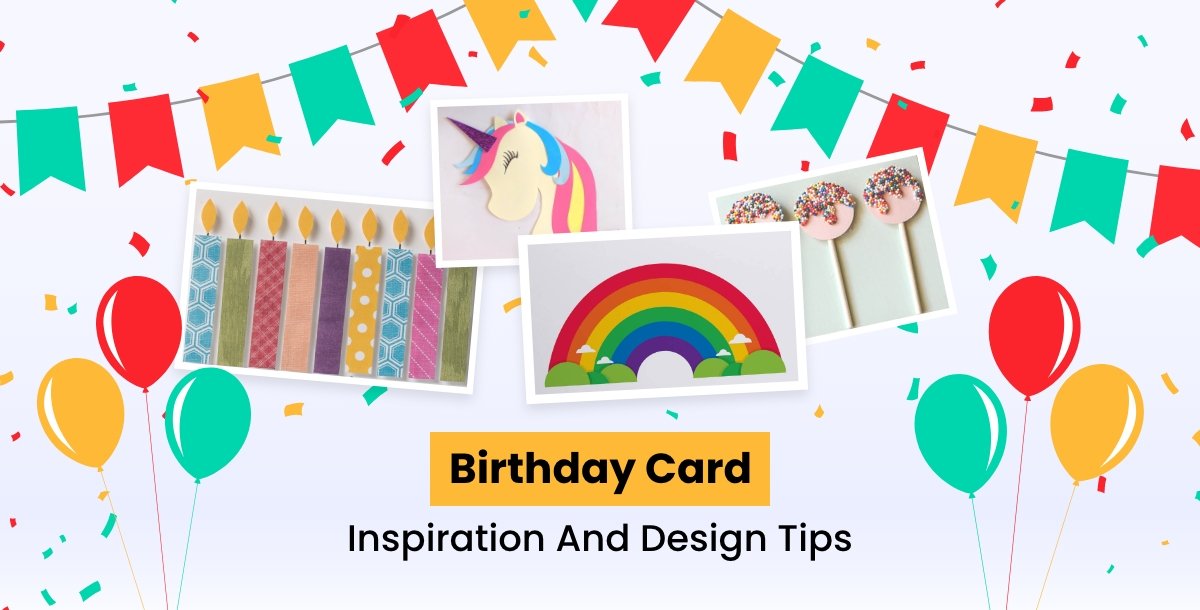
There's something uniquely heartwarming about a birthday card created just for them. While store-bought options are convenient, there’s a distinct magic in a message delivered through a design that speaks directly to the recipient’s personality, hobbies, or inside jokes. That's the power of Customizing Your Birthday Card: Design Tips & Tools. It's about transforming a simple gesture into a cherished keepsake, proving that thoughtful design doesn't require a design degree.
At a Glance: Crafting Your Perfect Custom Birthday Card
- Go Beyond Generic: Personalized cards forge a deeper emotional connection than off-the-shelf options.
- Embrace Digital Tools: Platforms like Canva make professional-grade design accessible to everyone, with intuitive drag-and-drop editors, templates, and AI assistance.
- Start Smart: Choose between customizing a template or building from scratch based on your comfort level and creative vision.
- Key Design Elements: Focus on compelling visuals (photos, illustrations), harmonious color palettes, and readable, expressive typography.
- Refine and Review: Always proofread your message and check design consistency before sharing or printing.
- Seamless Sharing: Whether digital or printed, modern tools offer easy ways to get your custom card to its destination.
Why Go Custom? The Unseen Value of a Personalized Greeting
In a world increasingly driven by convenience, opting for a custom birthday card might seem like an extra step. But it’s precisely this effort that elevates the gift. Think about it: a card featuring their favorite pet, a shared memory, or a design mirroring their unique aesthetic speaks volumes. It says, "I see you, I celebrate you, and I took the time to make something truly special for you."
This personal touch transforms a fleeting moment into a lasting impression. A custom card becomes more than just paper and ink; it's a tangible representation of your affection, a mini-artwork designed with a singular purpose: to bring joy to one specific person on their special day. It's an investment in connection, far more impactful than any mass-produced alternative.
Your Digital Design Studio: Essential Tools for Custom Cards
Gone are the days when designing anything custom required expensive software and specialized skills. Today, a robust suite of digital tools puts professional-grade design capabilities right at your fingertips. For most people looking to create stunning birthday cards, one platform stands out for its accessibility and comprehensive features: Canva.
Canva is your all-in-one design playground, offering a free birthday card maker that’s incredibly user-friendly. Its intuitive drag-and-drop editor makes arranging elements as simple as clicking and moving. You gain access to an extensive library of over 3 million free stock photos and graphics, ensuring you'll find the perfect visual for any theme or personality. Beyond pre-made assets, Canva even boasts AI capabilities for content and media generation, letting you conjure up unique text or visuals with a few prompts. For collaborative efforts, it supports real-time teamwork, so friends and family can chime in on the design. Once perfected, you can share your stunning creation online or opt for high-quality professional prints directly through their service.
While Canva is a powerhouse, other tools like Adobe Express offer similar intuitive interfaces, and for those with more advanced design aspirations, programs like Procreate (for iPad) or even Adobe Photoshop provide unparalleled creative freedom. However, for sheer ease of use combined with powerful features, Canva remains the top recommendation for most custom card creators. If you're ready to dive in and explore the possibilities, you can Try our birthday card generator and see how effortless it is to bring your vision to life.
From Blank Canvas to Brilliant Card: A Step-by-Step Design Journey
Creating a custom birthday card, especially with a tool like Canva, is a structured yet incredibly creative process. Think of it as painting by numbers, but with all the freedom to choose your colors and add your own flair.
Step 1: Inspiration & Foundation – Launching Your Creative Quest
Every great design starts with a clear idea. Before you even open your chosen design platform, consider who the card is for. What are their interests? What's their sense of humor? Is it for a milestone birthday or a casual celebration? These insights will guide your initial choices.
Once you have a general direction, it's time to launch your design software. If you’re using Canva, simply open the app or website and search for "birthday cards." You'll be presented with a vast array of pre-made templates. This is often the best starting point, especially if you're new to design. Templates provide a ready-made structure, complete with harmonious layouts, font pairings, and color schemes. You can browse by style (minimalist, whimsical, elegant), card format (folded or flat), and orientation (portrait or landscape). Use filters for colors or themes to quickly narrow down options that align with your recipient’s personality.
Alternatively, you can choose to start from scratch. This path offers ultimate creative freedom but requires a bit more foundational design knowledge. If you're feeling adventurous and have a strong visual concept, a blank canvas can be incredibly rewarding. However, for most, a template provides an excellent springboard. It's like having a blueprint you can then customize to your heart's content.
Step 2: The Art of Personalization – Making It Uniquely Theirs
This is where your card truly comes alive. Customization is all about injecting personality and purpose into your chosen design.
Crafting the Visuals: Elements That Speak Volumes
Whether you've picked a template or started fresh, the visual elements are key.
- Images & Photos: Upload your own cherished photos of the birthday person. Maybe it's a funny snapshot from a shared adventure, a heartwarming family portrait, or even a picture of their beloved pet. Most platforms allow you to upload and edit your photos easily, adding effects, filters, or cropping them to fit your design.
- Icons & Illustrations: Dive into the platform’s library of design elements. Canva, for instance, offers a vast collection of free and premium icons, illustrations, and graphics. Search for motifs related to their hobbies (e.g., "guitar icon," "coffee illustration," "adventure graphic") or simply for decorative elements like borders, shapes, and patterns. These can add charm, humor, or elegance to your card.
- Color Palettes: Don’t be afraid to change the colors of text, backgrounds, or graphic elements. Most tools provide color pickers that let you experiment. Consider colors that the recipient loves, or choose a palette that evokes a specific mood – vibrant for a lively celebration, pastels for a softer touch, or bold primaries for a fun, playful vibe. Consistency in color across your design makes it feel polished.
- Layout and Composition: Move objects around. Drag elements to new positions, resize them, rotate them. Play with balance – do you want a symmetrical, orderly look or something more dynamic and asymmetrical? Ensure there's enough "white space" around elements so the card doesn't feel cluttered. The goal is visual harmony that guides the eye naturally.
The Power of Typography: More Than Just Words
Your birthday message is central, and the font you choose can significantly impact its delivery.
- Choosing Fonts: Platforms offer a wide selection of fonts. Look for typefaces that match the card's overall style. A script font might be elegant, a sans-serif clean and modern, or a playful serif font quirky and fun. Ensure your chosen font is legible, especially for the main message.
- Font Pairing: A common design tip is to use no more than two or three different fonts in one design – often one for headings/names and another for the main body text. Make sure they complement each other, offering contrast without clashing.
- Sizing and Placement: Adjust font sizes to create hierarchy. The celebrant's name or a key phrase might be larger, while the personal message can be smaller but still easily readable. Position your text strategically, ensuring it doesn't get lost among the visuals.
Many modern design tools, including Canva, are integrating AI capabilities. You can leverage these features, like Canva's Magic Studio, to generate unique text for your message or even suggest visual elements based on your theme. This can be a fantastic way to overcome creative blocks or to explore ideas you hadn't considered.
Step 3: Refine, Review, and Perfect – The Finishing Touches
Before you finalize your masterpiece, take a moment to step back and review your work.
- Proofreading is Paramount: This cannot be stressed enough. A typo or grammatical error can undermine even the most beautiful design. Read your birthday message carefully, checking for spelling and grammar. Double-check the celebrant's name and any dates or specific details. A fresh pair of eyes can often catch what you've missed, so if possible, ask a friend to quickly review it.
- Design Consistency: Look at the card as a whole. Do the colors flow well? Are the fonts consistent? Is everything aligned properly? Small inconsistencies can make a design look less professional.
- Resizing for Different Formats: If you plan to use the card in multiple ways (e.g., a digital invite and a printed card), check if your tool has a resizing feature. Canva's Magic Switch (a Pro feature) can intelligently resize your design into different formats or orientations with just a few clicks, saving you considerable time.
- Getting Feedback: If your platform allows for collaboration, invite a trusted friend or family member to take a look. A different perspective can offer valuable insights and help you fine-tune the design before it's sent out.
Design Principles for Stunning Birthday Cards (Beyond the Clicks)
While software makes design accessible, understanding a few core principles can elevate your custom card from "nice" to "wow." These aren't rigid rules, but rather guidelines that often lead to more impactful and aesthetically pleasing results.
Embrace Simplicity: Less Is Often More
It's tempting to fill every available space with graphics, text, and photos. However, often the most elegant and effective designs are those that embrace simplicity. A cluttered card can overwhelm the viewer, making it hard to focus on your message. Give your elements room to breathe. Use negative space (empty areas) deliberately to draw attention to key parts of your design, like the recipient's name or a central image. A clean design feels sophisticated and makes your message stand out.
Tell a Story: Connect Through Narrative
Your card doesn't just hold a message; it is a message. Use your design to tell a mini-story about your relationship with the celebrant. This could be through:
- Meaningful Photos: A picture from a memorable trip you took together.
- Personalized Icons: Graphics related to their unique hobbies or passions.
- Inside Jokes: A subtle visual or textual reference that only they will understand.
These elements create an immediate, intimate connection, making the card feel incredibly personal and cherished.
Color Psychology: Evoke the Right Mood
Colors aren't just pretty; they carry emotions. Briefly consider the psychology behind your chosen palette:
- Blues: Often associated with calm, tranquility, and trustworthiness.
- Greens: Represent growth, nature, and freshness.
- Yellows: Evoke happiness, energy, and optimism.
- Reds: Symbolize passion, energy, and love.
- Purples: Often linked to luxury, creativity, and wisdom.
- Pinks: Convey sweetness, romance, and playfulness.
Choose colors that resonate with the recipient's personality and the desired mood of the birthday celebration. A vibrant, multi-colored card might be perfect for a playful child, while an elegant gold and cream palette suits a more formal adult celebration.
Typography Best Practices: Readability Reigns Supreme
As mentioned, font choice is crucial, but so is how you use typography.
- Prioritize Readability: Your message needs to be effortlessly read. Avoid overly decorative fonts for large blocks of text. Ensure sufficient contrast between text and background colors.
- Limit Font Variety: Stick to a maximum of two or three fonts. One for headings, one for body text, and perhaps a third for a special accent or signature. Too many fonts create visual chaos.
- Alignment: Be consistent with text alignment (left, center, right). This creates order and makes your card look polished.
- Font Size: Ensure the main message is large enough to read easily without straining.
High-Quality Assets: The Foundation of a Polished Look
Using blurry, pixelated photos or low-resolution graphics can instantly cheapen your custom card. Always strive for high-quality assets:
- High-Resolution Photos: If uploading your own, use the original, uncompressed files.
- Vector Graphics: Icons and illustrations found in platforms like Canva are often vector-based, meaning they can be scaled to any size without losing quality.
- Crisp Text: Ensure your text is sharp and clear, not fuzzy around the edges.
A high-quality foundation ensures that your thoughtful design truly shines, whether viewed on a screen or printed on cardstock.
From Screen to Hand: Sharing Your Custom Creation
Once your custom birthday card is perfectly polished, the final step is getting it to the birthday person. Modern design tools offer incredible flexibility in how you share your creation.
Digital Delivery: Instant Gratification
For many, digital sharing is the ultimate convenience. You can share your completed design with loved ones instantly via social media or email. Most platforms allow you to save your design in various formats suitable for digital use:
- JPEG: Great for social media posts or quick email attachments due to its compressed file size.
- PNG: Ideal for images that need transparency (like logos or icons) or for higher quality web images.
- PDF: Best for documents where preserving text and layout is crucial, often preferred for emailing or if the recipient might print it themselves.
Sharing digitally is quick, eco-friendly, and perfect for last-minute greetings or reaching friends and family across long distances. It also allows you to easily share the same card with multiple people if you wish (e.g., a group card from several friends).
Professional Prints: The Tangible Touch
Despite the digital age, there’s an undeniable charm to holding a physical card in your hands. For that high-quality, tangible experience, many platforms offer professional printing services. Canva Print, for example, allows you to order high-quality prints directly from your design dashboard, often with free standard shipping to a chosen address. They offer various cardstock options, finishes, and envelope choices, delivering a professionally produced card right to your door.
If you prefer to DIY print, ensure your home printer is capable of handling cardstock and that you're using high-resolution files (PDF is often best for printing). Double-check your printer settings for paper size and orientation to avoid any mishaps. Consider whether you want a folded card (which requires specific print and fold lines) or a flat postcard-style card.
Whether you choose digital delivery for speed and convenience or professional prints for a luxurious tactile experience, your custom birthday card will make a profound and personal statement.
Common Questions About Custom Birthday Cards
Designing your own card might raise a few questions. Here are quick answers to some common queries:
Can I use my own photos in a custom birthday card?
Absolutely! All major design platforms, including Canva, make it incredibly easy to upload and incorporate your own photos. This is one of the most powerful ways to personalize a card.
Is it really free to customize a birthday card?
Many platforms offer robust free tiers. Canva, for instance, provides a vast library of free templates, elements, and stock photos, allowing you to create stunning cards without spending a dime. Premium features, like certain advanced tools or exclusive assets, are available with paid subscriptions.
How long does it typically take to design a custom card?
The time varies greatly. With a pre-made template, you could customize a card in as little as 10-15 minutes. If you're starting from scratch and getting deeply creative, it might take 30 minutes to an hour, or even longer if you're exploring many design options.
What if I'm not a designer? Can I still create something good?
Yes, absolutely! Tools like Canva are specifically designed for non-designers. The drag-and-drop interface, extensive template library, and AI features simplify the process dramatically. You don't need design expertise; you just need a vision and a few clicks.
Can I collaborate with others on a custom birthday card?
Many platforms, including Canva, offer collaborative design options. You can invite friends or family members to view and edit the card in real-time, making it easy to create a group card or get feedback on your design.
The Gift of Thoughtful Design: Your Next Step
Crafting a custom birthday card is more than just a creative exercise; it's an act of love and thoughtfulness. In an increasingly digital world, a personalized card — whether delivered digitally or as a tangible print — stands out as a genuine expression of care. It’s a gift that often costs little but means a great deal.
So, don't just send a card; send their card. Take these design tips, open your preferred tool, and start bringing your unique vision to life. The smiles, the memories, and the heartfelt appreciation you'll receive will be a testament to the power of thoughtful design. Your next custom card adventure starts now.